
DIY Guide: Installing Drywall Over Popcorn Acoustic Texture
DIY Guide: Installing Drywall Over Popcorn Acoustic Texture
POPCORN CEILINGS
11/26/20255 min read
Understanding Popcorn Acoustic Texture
Popcorn acoustic texture, also known as cottage cheese ceiling or stucco ceiling, is a popular ceiling treatment that became widely used in homes from the 1950s to the 1980s. Its primary purpose is to reduce noise and hide imperfections in the ceiling, providing an aesthetically pleasing finish that requires less maintenance than flat ceilings. This texture is typically created by spraying a mixture of drywall mud and polystyrene, which results in a bumpy surface that helps to diffuse sound. Homeowners often favored popcorn ceilings for their ability to mask minor flaws and their perceived budget-friendly application.
However, understanding the potential risks associated with popcorn acoustic texture is crucial, particularly for homes built before the 1980s. During this time, many popcorn textures contained asbestos, a hazardous material known for its fire-resistant properties and sound-absorbing capabilities. When disturbed, asbestos can release harmful fibers into the air, posing significant health risks, including lung disease and cancer. Homeowners contemplating any modifications to these ceilings should be aware of the importance of proper testing and remediation procedures before proceeding with any DIY projects.
Moreover, there are a variety of reasons that may drive homeowners to cover popcorn ceilings rather than opt for full removal. For one, the removal process can be labor-intensive, costly, and messy, leading to additional repairs, such as refinishing or repainting. Covering the texture with drywall provides a smoother, modern finish that can contribute to an updated look without the extensive work associated with removal. In addition, this approach allows homeowners to address any underlying issues, such as insulation or wiring, while transforming the aesthetic of their living space. Subsequently, addressing popcorn acoustic texture through covering rather than removal can be a practical and effective solution for countless homeowners.
Advantages of Installing Drywall Over Popcorn Texture
Installing drywall over popcorn acoustic texture presents a range of advantages that make it a compelling option for homeowners considering renovation. One of the primary benefits is cost-effectiveness. Removing popcorn texture can be an expensive endeavor, especially when considering the potential need for professional assistance. By opting for drywall installation, homeowners can achieve a refreshed look at a fraction of the cost of a full removal process.
In addition to financial savings, this method offers significant time savings. The process of scraping off popcorn texture often requires considerable labor and can extend the project timeline, particularly if the texture is resistant to removal. By installing drywall directly over the existing texture, the project can be completed more swiftly, allowing for a quicker transition to the desired interior design.
A further advantage is the avoidance of potential asbestos-related issues. Many older homes containing popcorn acoustic texture may inadvertently possess asbestos. The necessity for asbestos testing and abatement can lead to substantial expenses and complications. By installing drywall over the existing texture, homeowners can bypass these challenges altogether, creating a safer and more manageable environment.
DIY enthusiasts will also find the installation process to be relatively straightforward. The skills required for hanging drywall are commonly understood and can be undertaken as a weekend project. This ease of installation empowers homeowners to take control of their renovation, resulting in a satisfying sense of accomplishment.
Finally, installing drywall over popcorn texture can enhance both aesthetics and room acoustics. The smooth surface of the drywall offers a modern, clean look, eliminating the dated appearance of popcorn ceilings. Additionally, drywall can improve sound quality within a room, contributing to a more pleasant living space. Overall, these advantages make installing drywall over popcorn texture an appealing solution for many homeowners.
Preparation and Tools Needed for Installation
Before embarking on a drywall installation project over popcorn acoustic texture, it is crucial to assess the condition of the existing surface. This entails examining the texture for any signs of damage, such as cracks, peeling, or moisture infiltration. If the texture appears stable, you're ready to move forward. However, if there are significant issues, repairing the texture or considering its removal before installation may be warranted. Proper assessment ensures a smooth and secure application of the drywall panels.
Preparation of the workspace is another essential step that must not be overlooked. Begin by clearing the area of furniture, decor, and any items that may obstruct your work. Cover the floor with a drop cloth to protect it from dust and debris during the installation process. Ensure adequate ventilation in the workspace, as materials like joint compound can create odors and dust. The use of personal protective equipment, such as masks and goggles, is strongly recommended to shield against particles released during the project.
Gathering the correct tools and materials is vital for a successful installation. Essential items include drywall panels, typically available in 4' x 8' sheets, and drywall screws, which will secure the panels to the studs beneath. You will also require joint compound to fill seams and create a smooth finish, along with drywall tape to reinforce these seams. A utility knife, drywall saw, T-square, and a level are necessary for precise cutting and alignment. A drill or screwdriver will aid in fastening the screws firmly, while a mud pan and taping knives will help in applying the joint compound effectively. Additionally, for homes built prior to the 1980s, it is crucial to check for the presence of asbestos in popcorn ceilings; if suspected, professional testing and remediation may be required to ensure safety.
Step-by-Step Installation Guide
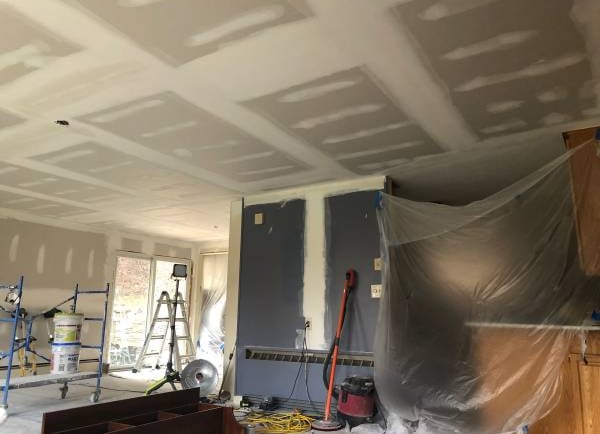
Installing drywall over popcorn acoustic texture involves a systematic approach to ensure a smooth result. Begin by measuring the ceiling or wall area needing coverage. Use a measuring tape to establish the dimensions and mark them on the drywall sheets. It's important to check for level and plumb in the surface area, as uneven textures can lead to issues during installation.
After measuring, proceed to cut the drywall sheets to size. Utilize a utility knife for accurate cuts; score along the line multiple times before snapping the board. When cutting around fixtures or outlets, take extra care and measure precisely to ensure the drywall fits snugly.
Next, it's time to secure the drywall. Start at one corner and work your way across the area, using drywall screws to attach the sheets to the framing behind the popcorn texture. Space your screws approximately 16 inches apart for maximum stability. In the case where the underlying structure is not easily accessible, consider using a construction adhesive for added support.
Once the drywall is secured, you will need to apply joint compound over the seams, screw heads, and any imperfections. Use a putty knife to spread the compound evenly, feathering it out to blend smoothly with the surrounding surface. Allow the compound to dry thoroughly, as it can take several hours to set.
After the first layer is dry, sand the area lightly with fine-grit sandpaper to allow for a seamless finish. Apply additional coats of joint compound as needed, sanding between each layer until you achieve a smooth and even surface. Finally, finish with a primer and paint of your choice to create a professional, polished look.
In this process, if you encounter bubbles or cracks in the compound, don’t panic. These can often be smoothed out with additional compound or by re-sanding the area. Attention to detail at each step helps ensure a successful installation that meets your expectations.